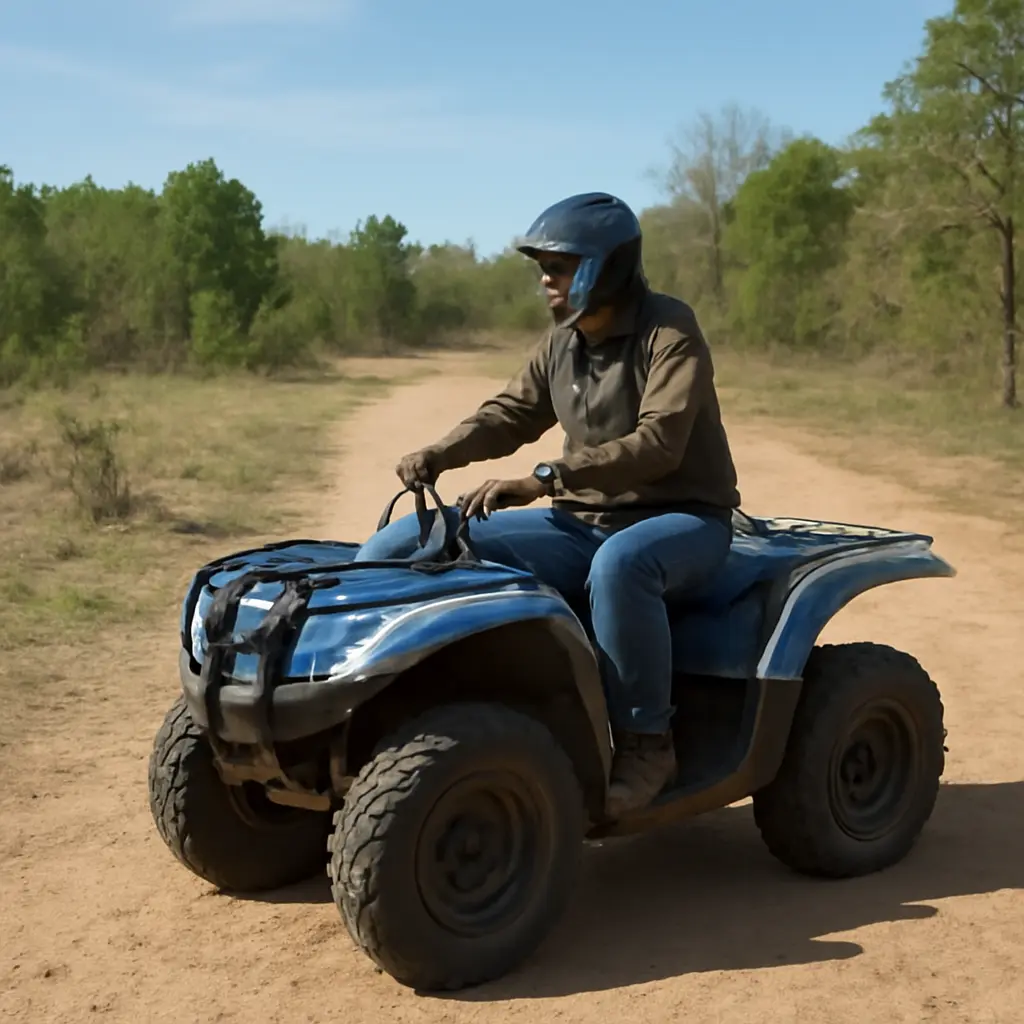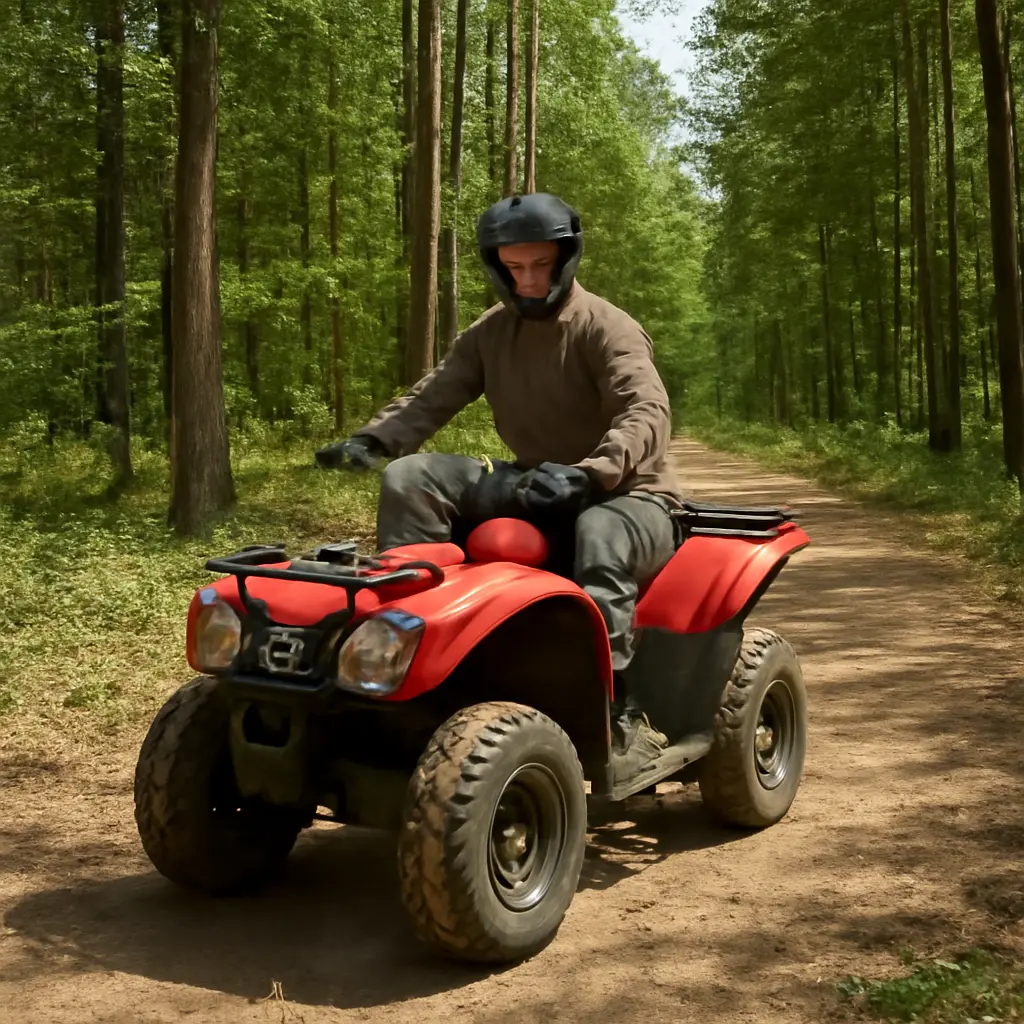
Choosing the right ATV riding experience means matching the terrain, pace, vehicle, and level of support to your skills and goals. An all-terrain vehicle (ATV) is an off-highway vehicle designed to travel on low-pressure tires, as the U.S. Consumer Product Safety Commission (CPSC) describes it. Whether you want a guided forest tour, a beginner-friendly trail ride, or a more technical outing, compare route difficulty, safety practices, costs, and local rules before booking. That preparation matters: CPSC data show that ATV-related incidents cause hundreds of deaths and tens of thousands of emergency-department-treated injuries in the United States in some years, underscoring why the right fit includes safety—not just scenery.
ATV Riding Experiences: Match the Ride to Your Goals
An ATV riding experience is an organized or self-directed ride using an ATV on designated trails or other permitted terrain. There is no single standard difficulty scale used by every operator, so descriptions such as “easy,” “scenic,” or “advanced” should be treated as starting points rather than guarantees. Ask what the route involves, how long it lasts, and whether the operator provides instruction and protective equipment.
The best choice depends on your previous riding experience, comfort with uneven ground, desired level of independence, and the people in your group. A guided ride can provide instruction and local route knowledge; a permitted self-guided ride may offer more flexibility but requires you to manage navigation, rules, and emergency planning. The bridge between choosing a style and choosing a specific tour is understanding the ride’s terrain and difficulty.
Guided tours
A guided tour is a ride led by an instructor or local guide, often with a briefing, a set route, and a group pace. It can suit first-time riders and visitors unfamiliar with local trails. Confirm the guide-to-rider ratio, whether instruction is hands-on, and what happens if someone wants to stop or cannot keep up. Guidance does not remove the need to follow safety instructions or local regulations.
Self-guided and independent rides
A self-guided ride uses a route you follow without a guide accompanying you. This option can suit experienced riders who know how to operate their machine and navigate permitted trails. Check whether the area allows independent riding, what maps or communication equipment are needed, and whether a rental company provides roadside support. A route that looks short on a map can take longer when terrain, weather, and stops are considered.
Single-rider and passenger options
ATVs are commonly designed for one operator, while some models are specifically designed for a passenger. Do not assume a second person can safely ride on a single-rider ATV. Ask the operator which vehicles are approved for passengers, what age and size requirements apply, and whether each rider needs a separate machine. CPSC safety guidance advises against carrying passengers on ATVs designed for a single rider because the extra person can affect balance and control.
ATV Riding Experiences: Choose Terrain and Difficulty
Terrain is the surface and landscape a route crosses; difficulty reflects the physical and technical demands of riding it. Together, they shape the ride more than distance alone. The U.S. Forest Service notes that motorized trail opportunities and vehicle restrictions vary by site, so verify that the route is open to the specific ATV you plan to use. Once you know the terrain, compare how much challenge you want and can safely manage.
Beginner-friendly trails
Beginner-friendly routes generally favor a manageable pace and fewer demanding obstacles, but the label is not standardized. Ask whether the ride includes steep grades, narrow sections, loose gravel, water crossings, or abrupt changes in surface. New riders should prioritize a clear safety briefing, practice time, and the ability to stop without pressure from a faster group.
Forest and scenic trails
Forest and scenic rides emphasize views and a steady trail journey, often on designated routes. They may still include ruts, mud, rocks, or changing weather, so scenic does not necessarily mean effortless. Ask about shade, dust, wildlife, expected stops, and whether the route crosses environmentally sensitive areas. Stay on designated trails: leaving them can damage vegetation and soil and may violate land-management rules.
Sand, mud, and technical terrain
Sand, mud, and technical routes demand more deliberate throttle, steering, and balance control. Soft surfaces can make a machine difficult to maneuver, while rocks, ruts, and slopes increase the chance of losing control. These rides are generally better suited to riders with relevant experience and appropriate equipment. Ask the operator what “advanced” means in practical terms, and do not choose a route simply because it sounds exciting.
Weather and seasonal conditions
Weather can change traction, visibility, temperature, and trail access. Rain may turn a firm trail into a slippery route; heat can increase fatigue and dehydration. Check the forecast, cancellation policy, clothing recommendations, and whether the operator changes or closes routes when conditions deteriorate. The National Weather Service’s heat-safety guidance emphasizes planning activity around heat risk and taking steps to stay hydrated and cool.
ATV Riding Experiences: Assess Safety and Operator Quality
Safety is the combination of suitable equipment, rider preparation, sound operating practices, and a route appropriate to the group. The CPSC’s ATV safety materials advise wearing a helmet and protective gear, riding an ATV designed for the rider’s age, and never riding on paved roads unless permitted. CPSC reporting also documents the serious consequences of crashes: its annual ATV injury and fatality reports track hundreds of deaths and many thousands of emergency-department-treated injuries in the United States. These figures make operator screening and personal readiness essential parts of choosing an experience.
Training, briefing, and supervision
A quality operator explains controls, braking, turning, spacing, hand signals, and emergency procedures before departure. Ask whether beginners receive practice time and whether the guide can adjust the pace or route. The ATV Safety Institute offers rider-training courses that cover safe operation; a tour briefing is useful, but it is not necessarily a substitute for formal training, especially for demanding terrain.
Helmets and protective equipment
Protective equipment helps reduce exposure to impact, debris, and weather. Confirm that a properly fitting helmet is included or required, and ask about eye protection, gloves, long sleeves, long pants, and over-the-ankle footwear. The CPSC and ATV Safety Institute recommend helmets and protective gear. Avoid riding in clothing or footwear that can snag, slip, or leave skin unnecessarily exposed.
Vehicle fit and age requirements
Vehicle fit means the rider can comfortably reach and operate the controls and manage the machine’s size and power. Ask the operator for the ATV’s engine class, rider restrictions, and any minimum age or height rules. CPSC guidance warns against placing children on adult-sized ATVs; age recommendations and legal requirements can vary, so check both the machine manufacturer’s guidance and local law. Never allow a rider to operate a vehicle they cannot control.
Insurance, permits, and land access
A reputable provider should clearly explain what the booking includes, what liability waivers mean, and whether damage or rescue costs may be charged separately. Ask whether the ride uses authorized trails and whether permits, registration, or insurance are required. Rules differ by state, country, land manager, and vehicle type; the U.S. Forest Service and local authorities publish site-specific restrictions, so confirm requirements for the exact riding area rather than relying on general assumptions.
ATV Riding Experiences: Compare Cost, Timing, and Group Needs
A good ride also fits your budget, schedule, and group. Advertised prices may cover only the machine and guide, while fuel, protective gear, permits, taxes, damage deposits, or transportation may be additional. Compare the full cost and the actual time spent riding—not just the headline duration—before booking.
Duration and physical demands
Short outings can work well for first-time riders, while longer rides provide more time on the trail but may require sustained concentration and stamina. Ask how much of the scheduled time is instruction, gearing up, and riding. Consider breaks, restroom access, exposure to sun or cold, and whether the route has a point where a tired rider can return early.
Families and mixed-experience groups
Groups with different ages or skill levels should select an experience that accommodates the least-experienced rider. Ask whether the provider offers separate routes or pace groups, passenger-appropriate vehicles, and an alternative activity for anyone who cannot meet the riding requirements. Do not pressure a hesitant participant to ride or allow children to use machines that are too large or powerful for them.
Booking questions checklist
- What terrain, obstacles, and difficulty should riders expect?
- What experience, age, height, or physical requirements apply?
- Are helmets and other protective items included, and what should riders bring?
- Are passengers permitted, and are the vehicles designed for them?
- What is included in the price, and what extra fees or deposits may apply?
- What happens if weather, trail closures, or a rider’s needs change the plan?
- Is the route authorized for the vehicle, and are permits or registration required?
Conclusion: Choose an ATV Ride That Fits You
The right ATV riding experience matches your goals with a suitable tour format, manageable terrain, safe vehicle, and responsible operator. Guided rides can help newcomers; independent rides may appeal to experienced riders who understand local rules; and terrain, weather, group needs, and total cost all affect the decision. Because ATV incidents can cause severe injuries, prioritize training, a properly fitting helmet and protective gear, age-appropriate equipment, and authorized routes. Before booking, ask the operator direct questions, check local requirements, and choose a ride that leaves room to learn and ride within your limits.
Sources: U.S. Consumer Product Safety Commission, All-Terrain Vehicle (ATV) Safety, https://www.cpsc.gov/Safety-Education/Safety-Education-Centers/ATV-Safety-Information-Center; U.S. Consumer Product Safety Commission, 2022 Annual Report of ATV-Related Deaths and Injuries, https://www.cpsc.gov/s3fs-public/2022-Annual-Report-of-ATV-Related-Deaths-and-Injuries.pdf; ATV Safety Institute, ATV RiderCourse, https://atvsafety.org/atv-ridercourse/; U.S. Forest Service, OHV Riding and Camping, https://www.fs.usda.gov/visit/know-before-you-go/off-highway-vehicles; National Weather Service, Heat Safety, https://www.weather.gov/safety/heat