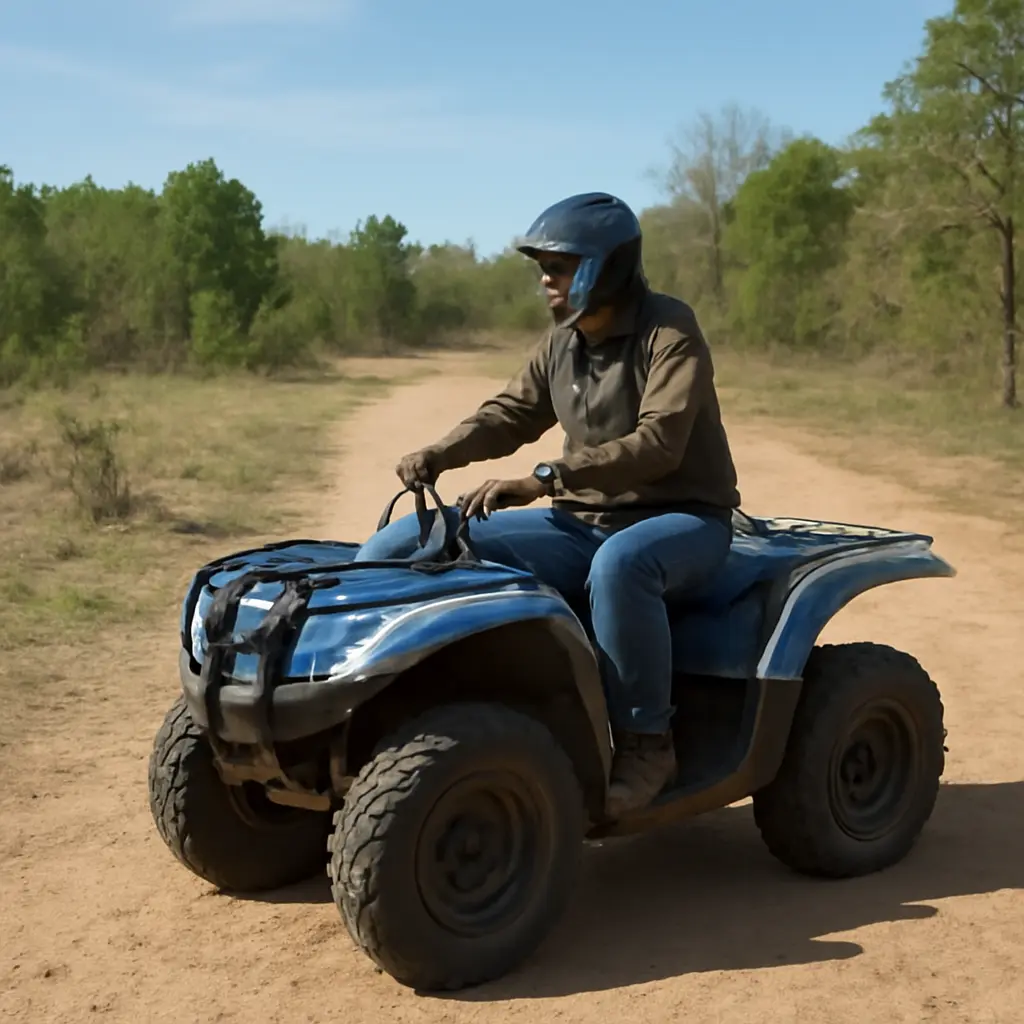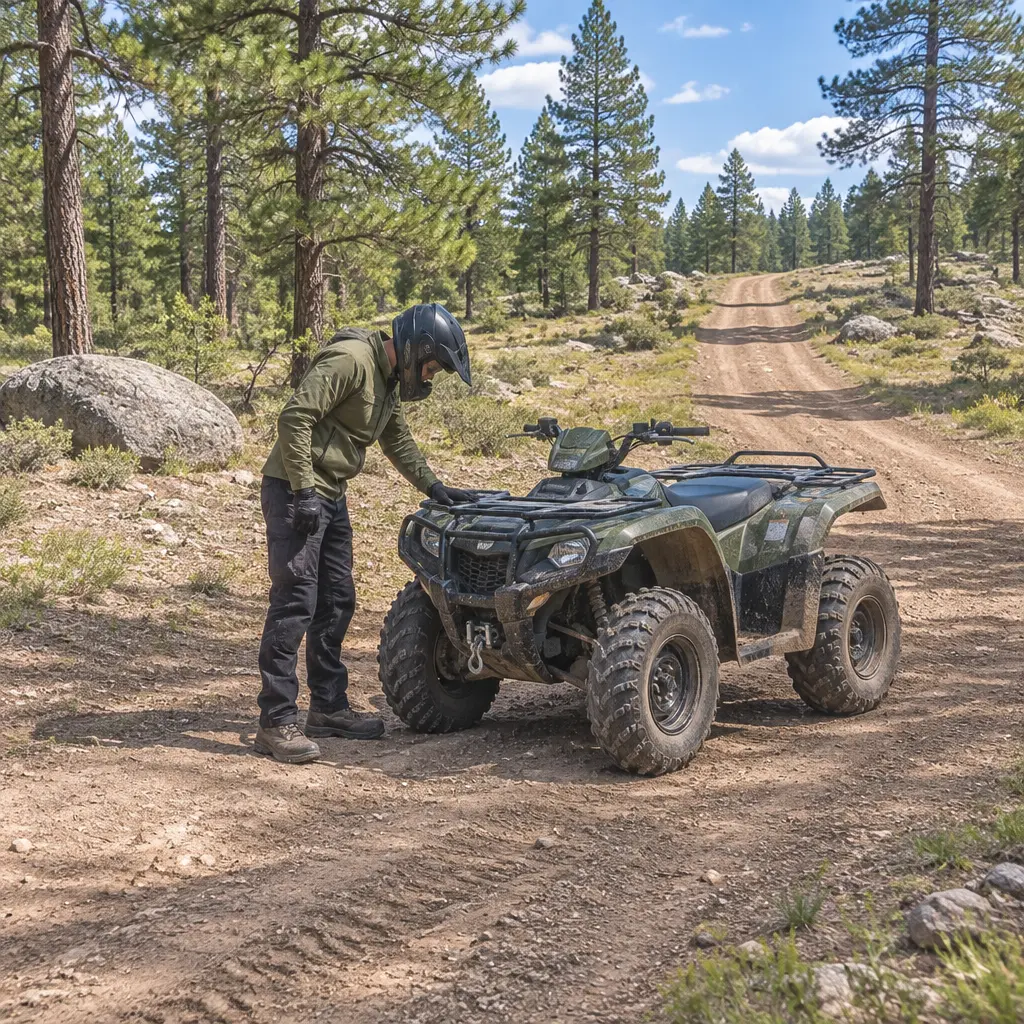
All-terrain vehicles (ATVs) are motorized vehicles designed for off-highway travel, but their ability to cross rough terrain does not make them safe in every situation. Following core ATV safety rules means choosing an age-appropriate machine, wearing protective gear, riding sober and within your skill level, and respecting passengers, terrain, and local rules. These precautions matter: the U.S. Consumer Product Safety Commission (CPSC) reports that hundreds of people die and tens of thousands are treated in emergency departments for ATV-related injuries in the United States each year. The rules below explain how to prepare, ride, and respond safely.
ATV safety rules begin with the right rider, vehicle, and preparation
ATV safety is the set of practices that reduce the chance and severity of crashes, rollovers, and other injuries while operating an all-terrain vehicle. The CPSC’s ATV safety guidance emphasizes matching the ATV to the rider, wearing a helmet and protective equipment, riding only on designated areas, and never carrying a passenger on a single-rider ATV. Safety organizations also recommend formal hands-on training and sober, attentive operation.
The risks are substantial. CPSC injury estimates consistently show that children and teenagers are among those injured in ATV incidents, while rollover, ejection, and collision are recurring ways riders are hurt. Exact totals vary by reporting year and whether the measure is deaths, emergency-department-treated injuries, or all reported incidents. The practical lesson is consistent: an ATV’s size, speed, and terrain must fit the rider, and protective gear cannot replace safe decisions.
Choose an age-appropriate ATV and rider
An age-appropriate ATV is one whose size, power, and controls match the rider’s age and ability. CPSC guidance cautions against placing children on adult-sized ATVs and recommends following the manufacturer’s age label. A rider must be able to reach and operate the controls, understand instructions, and respond quickly to changing ground conditions.
Age labels are minimum guidance, not proof that a young rider is ready. Children develop at different rates, and supervision does not make an oversized or overly powerful machine suitable. Adults should check the owner’s manual and local requirements, and should never let a child ride an ATV intended for an older age group.
Take hands-on training before riding
ATV training teaches operating skills and judgment, including starting and stopping, turning, braking, shifting body weight, and recognizing hazards. The ATV Safety Institute (ASI) offers safety courses that include practical riding instruction. A new rider should complete an appropriate course before riding independently; experienced riders can also benefit from refreshers when using a different machine or terrain.
Training is especially important because an ATV does not steer like a car. Riders must coordinate body position with throttle, braking, and steering. Practicing in a controlled area helps build those skills before a rider encounters slopes, loose surfaces, or unexpected obstacles.
Inspect the ATV and plan the ride
A pre-ride inspection checks whether the ATV is fit to operate. Follow the owner’s manual and examine tires and wheels, brakes, throttle, steering, lights, controls, and fuel or battery condition. Do not ride if a safety-critical part is damaged, loose, or not working correctly.
Planning also means checking weather, trail conditions, permitted routes, and expected daylight. Tell someone where you are going and when you expect to return. Carry communication and basic emergency supplies suited to the location; remote riding areas may have limited phone coverage and delayed rescue response.
Protective gear and passenger rules prevent avoidable injuries
Protective gear reduces exposure to impact, abrasion, debris, and weather, while passenger rules help preserve the vehicle’s balance and handling. The CPSC and ASI advise riders to wear a helmet and other protective equipment every time. Gear does not prevent every injury, but riding without it removes an important layer of protection.
Wear a certified helmet and full protective equipment
A suitable ATV helmet is a properly fitted motorcycle-style helmet that meets a recognized safety standard, such as U.S. Department of Transportation (DOT) requirements. Secure the chin strap, replace a helmet after a significant impact, and follow the manufacturer’s service-life guidance. A bicycle helmet is not a substitute for a motorcycle helmet designed for motorized riding.
Complete the equipment with eye protection, gloves, long sleeves, long pants, and over-the-ankle boots. Eye protection helps shield against dust, branches, and flying debris; gloves and boots improve grip and protect hands and feet. Bright or reflective clothing can help other riders see you, particularly in low light, though riding in darkness should be avoided unless explicitly permitted and the ATV is properly equipped.
Never overload a single-rider ATV
A single-rider ATV is designed for one person, and carrying a passenger can interfere with the driver’s ability to shift body weight and control the vehicle. CPSC and ASI safety guidance advises against carrying a passenger on a one-person ATV. Added weight can also change braking, stability, and the likelihood of losing control.
A two-person ATV should be used only if the manufacturer designed it for a driver and passenger, with a designated passenger seat and appropriate footrests. The passenger must be able to hold on and follow the operator’s instructions. Never carry an extra passenger on the rear rack or another improvised seat.
Safe riding behavior controls speed, terrain, and impairment
Safe ATV operation requires continuous decisions about speed, visibility, traction, and the rider’s physical condition. A machine that feels manageable on a smooth, familiar trail may become difficult to control on loose soil, mud, gravel, or a steep grade. Ride conservatively and leave enough time and distance to respond to hazards.
Ride sober, attentive, and within your limits
Alcohol, cannabis, recreational drugs, and some medications can impair judgment, reaction time, balance, and coordination. Do not operate an ATV while impaired or when fatigue, illness, or distraction makes safe control difficult. Keep phones and other distractions put away while moving, and stop in a safe place before checking a device or changing plans.
Stay within your skill level and the ATV’s capabilities. Do not attempt jumps, stunts, racing, or unfamiliar technical routes unless the activity is lawful, the vehicle is designed for it, and qualified instruction and appropriate safety controls are in place. For ordinary recreational riding, slowing down and turning back are safer choices than pressing on.
Use designated trails and adjust speed to conditions
Designated trails are routes authorized for ATV use by the relevant land manager or jurisdiction. Stay on marked, permitted routes, obey posted speed limits, and respect seasonal closures. Riding off-trail can expose riders to hidden hazards and damage soil, vegetation, and wildlife habitat; it may also violate land-use rules.
Reduce speed when visibility is limited, the trail is narrow, the surface is slippery, or other users are nearby. Keep a safe following distance, particularly in dust, and approach bends and blind crests slowly. Yield and communicate clearly with hikers, cyclists, equestrians, and other trail users according to local rules.
Cross slopes and obstacles with caution
ATVs can overturn when a rider takes a slope, obstacle, or turn too quickly or with poor body positioning. Follow the manufacturer’s instructions and training for climbing, descending, and traversing hills; avoid slopes beyond your ability or the machine’s limits. Do not turn sharply at speed, and do not attempt to cross water or obstacles when their depth, stability, or hidden hazards are unknown.
If a route becomes too steep, unstable, or difficult to see, stop in a safe location and reassess rather than improvising. Terrain can change quickly after rain, snow, erosion, or heavy use. A route that was safe on a previous trip may not be safe today.
Legal and emergency practices complete ATV safety
Safe riding includes knowing which laws and land rules apply and being prepared to respond when something goes wrong. Requirements differ by state, province, land manager, and type of property, so riders should verify local rules before every trip instead of assuming that one area’s rules apply elsewhere.
Follow local laws and equipment requirements
ATV regulations may address minimum rider age, supervision, safety training, helmet use, registration, insurance, equipment, and where vehicles may operate. Public lands may impose additional restrictions, including route designations and seasonal closures. Check the relevant government agency or land manager for current requirements, and carry any required documentation.
Never ride on public roads unless local law specifically permits it. ATVs are designed primarily for off-highway use and may not have the equipment or handling characteristics required for road traffic. Road crossings, where allowed, should be made only at authorized locations and with careful attention to traffic.
Prepare for breakdowns and emergencies
An emergency plan covers communication, navigation, first aid, and what to do if the ATV cannot continue. Bring a charged phone or other appropriate communication device, a map or navigation aid, water, and a first-aid kit. For longer or remote trips, carry tools and supplies suited to the route and tell a responsible person your itinerary and return time.
After a crash, move out of immediate danger if possible, call for help, and avoid moving someone who may have a serious neck, back, or head injury unless remaining in place creates a greater danger. If the ATV is damaged, leaking fuel, or unsafe to operate, do not attempt to ride it back. Use the emergency plan and wait for assistance.
Conclusion: Make ATV safety a rule on every ride
ATV safety starts with matching the rider to the machine, getting hands-on training, inspecting equipment, and planning the route. A certified helmet and protective clothing, correct passenger practices, sober and attentive riding, conservative speed, and compliance with local rules all reduce preventable risks. Because ATV injuries continue to affect riders across age groups, safety should be treated as a routine—not an optional extra.
Before your next ride, read the owner’s manual, check current rules for the riding area, and complete a recognized safety course if you have not already done so. Make a pre-ride checklist and share these practices with everyone in your group.
Sources: U.S. Consumer Product Safety Commission, “ATV Safety,” https://www.cpsc.gov/Safety-Education/Safety-Education-Centers/ATV-Safety-Information-Center; U.S. Consumer Product Safety Commission, “ATV Annual Report,” https://www.cpsc.gov/Research–Statistics/Injury-Statistics; ATV Safety Institute, “ATV Safety,” https://atvsafety.org/; U.S. Consumer Product Safety Commission, “ATV Safety: Age Recommendations,” https://www.cpsc.gov/Safety-Education/Safety-Education-Centers/ATV-Safety-Information-Center/ATV-Safety-Age-Recommendations