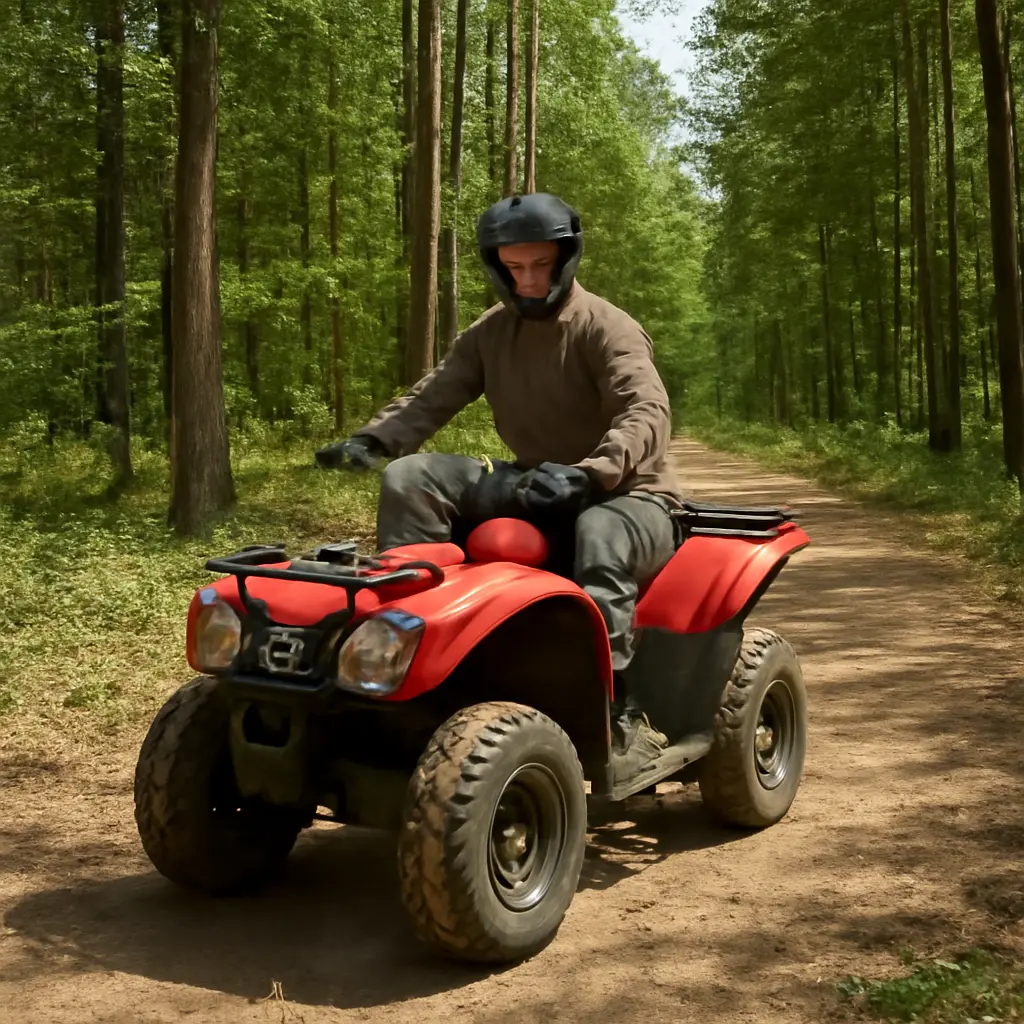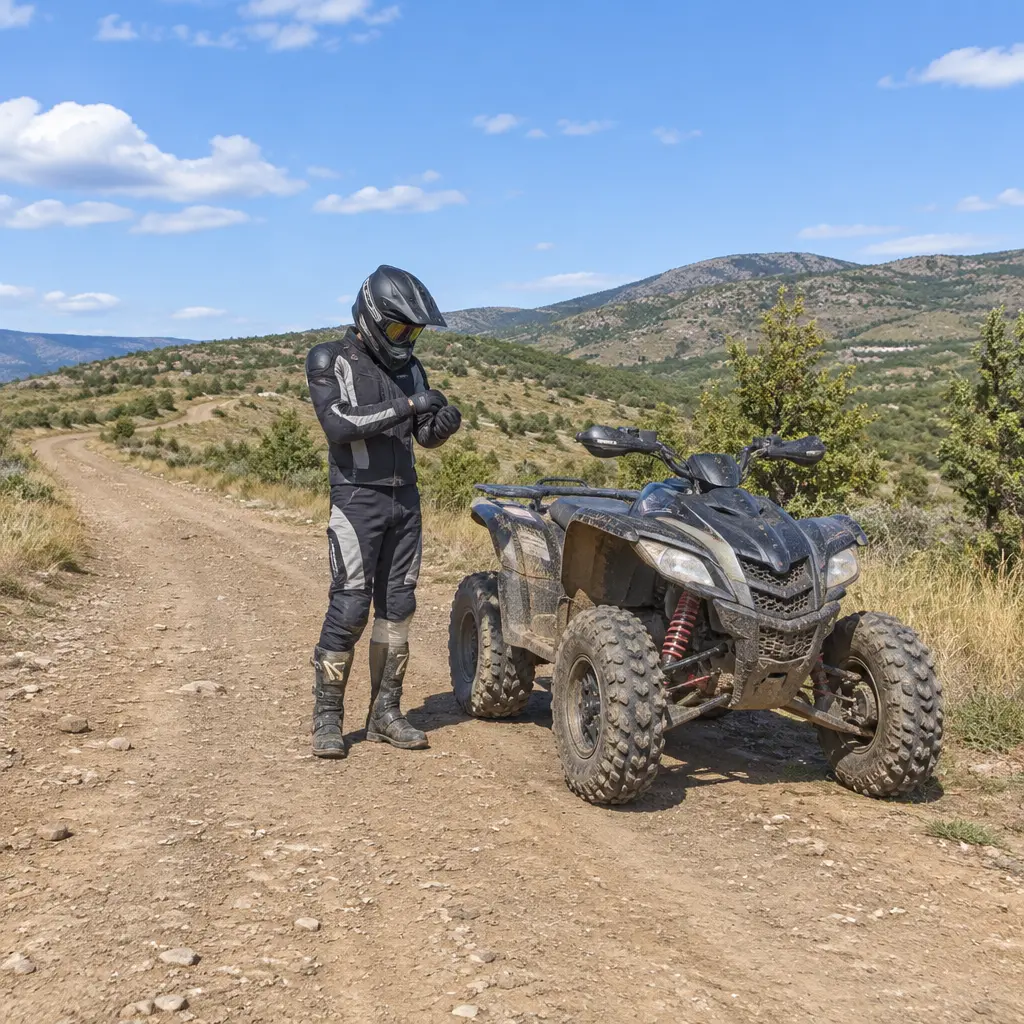
Quad bike safety gear is the clothing and protective equipment worn by riders to reduce injury risk in a crash, rollover, or collision with terrain and debris. Prioritizing impact protection means choosing a certified helmet, eye protection, gloves, boots, and body armor before considering color or style. That priority is practical: the U.S. Consumer Product Safety Commission (CPSC) has reported that all-terrain vehicle (ATV) incidents cause hundreds of deaths and tens of thousands of emergency-department-treated injuries in the United States in many years. No outfit can eliminate those risks, but properly fitted, purpose-appropriate gear can help protect vulnerable areas. This guide explains how protection standards and fit work, compares key gear categories, and shows how riders can make safety-first choices without overlooking comfort or visibility.
Impact Protection Defines Quad Bike Safety Gear Priorities
Impact protection is the capacity of equipment to reduce the force or consequences of contact with the ground, the vehicle, vegetation, or other objects. The U.S. Centers for Disease Control and Prevention (CDC) and CPSC both emphasize helmet use as a central ATV safety measure; a helmet does not prevent every head injury, but it can reduce the risk of severe head trauma. For this article, “quad bike” refers broadly to an ATV or quad used for recreation, work, or sport. Gear should be selected for the vehicle, riding conditions, and manufacturer guidance rather than appearance alone.
The main protective categories are helmets, eye protection, gloves, boots, and impact-resistant clothing or armor. These items address different hazards: helmets help protect the head, goggles shield the eyes, gloves improve hand protection and grip, boots support and cover the feet and lower legs, and armor can help cushion selected joints and the torso. They are complementary, not interchangeable. A stylish jacket cannot compensate for an unsuitable helmet, and protective equipment cannot make unsafe speed, passenger overloading, or riding on inappropriate terrain safe.
Certified helmets and fit
A protective helmet is a correctly sized helmet that meets a recognized safety standard applicable to the rider’s location and activity. In the United States, the Department of Transportation’s Federal Motor Vehicle Safety Standard No. 218 (FMVSS 218) establishes requirements for motorcycle helmets; riders should check local rules and the helmet’s certification label rather than assume that a helmet marketed for cycling or fashion offers equivalent protection. In other jurisdictions, look for the relevant national or regional standard, such as a current motorcycle-helmet approval accepted locally.
Fit matters as much as the label. A helmet should sit level, feel snug around the head without painful pressure, and remain stable when the rider moves it gently. The chin strap should be fastened as directed by the manufacturer. Replace a helmet after a significant impact, even if the shell looks intact, and follow the maker’s guidance on age, storage, and care. A full-face design may provide more coverage to the jaw and face than an open-face design, but riders should choose a certified model designed for their use and ensure it fits properly.
Eye protection and visibility
Eye protection means goggles or another suitable protective system that helps keep dust, mud, branches, and small debris away from the eyes. The American Academy of Ophthalmology advises using protective eyewear for activities that pose eye-injury risks; ordinary sunglasses generally do not provide the same coverage or impact protection as purpose-designed goggles. Select eyewear compatible with the helmet, secure enough to stay in place, and appropriate for changing light. A clear lens can be useful in low light, while tinted lenses may hinder vision after dusk or in shaded terrain.
Visibility is a safety feature, but it should supplement impact protection rather than replace it. Bright colors and reflective details can help riders stand out to other people, especially near roads, work areas, or low-light conditions. The practical test is whether the gear remains protective, comfortable, and visible in the expected environment.
Gloves, boots, and protective clothing
Gloves protect the hands from abrasion, weather, and some impacts while helping the rider maintain grip and control. Choose a secure fit that allows the fingers to operate the controls; overly bulky or loose gloves may interfere with handling. Boots should cover the ankle, fit firmly, and provide durable soles and protection suited to the terrain. The CPSC’s ATV safety guidance recommends sturdy footwear and discourages riding in sandals or bare feet.
Protective clothing includes long sleeves and long pants, with purpose-designed armor where suitable. Knee, elbow, chest, and back protection can add coverage, especially in sport riding, but product features vary. Look for clear manufacturer information about intended use, impact testing, and fit. Loose scarves, dangling straps, and clothing that can catch on controls or vegetation create avoidable hazards. For work or utility riding, gear should also be compatible with the task and not obstruct safe mounting, dismounting, or control operation.
Safety Standards and Fit Determine Gear Performance
Safety standards are defined test and labeling requirements used to assess whether products meet specified performance criteria. They do not promise that a product will prevent injury in every crash. The National Highway Traffic Safety Administration (NHTSA) explains that FMVSS 218 applies to motorcycle helmets sold for road use in the United States; ATV riders should follow the helmet requirements applicable to their jurisdiction and choose equipment appropriate to off-road riding. For body armor and eye protection, check the relevant product standard and the manufacturer’s stated scope instead of relying on vague claims such as “protective” or “racing quality.”
Certification, labels, and product claims
Certification labels and documentation help distinguish tested equipment from products that merely resemble it. Before purchase, confirm the exact standard, the product’s intended activity, and whether the marking applies to the complete item or only a component. A helmet’s certification does not certify goggles, and a jacket’s armor pockets do not prove that armor is included or tested. Treat unsupported impact-resistance claims cautiously, and buy from a reputable seller who provides model and compliance information.
Fit, condition, and replacement
Protective equipment works as intended only when it is correctly fitted, fastened, and maintained. Check straps, buckles, seams, closures, padding, and protective inserts before riding. Do not use gear with cracks, damaged retention systems, missing components, or an unknown history after a serious impact. Follow the manufacturer’s cleaning and replacement instructions; harsh solvents, heat, and unapproved modifications can damage materials or affect fit.
A useful gear check is simple: confirm that the helmet is secure, goggles provide a clear field of view, gloves permit full control movement, boots stay fastened, and clothing does not snag. Try the complete setup while seated on the stationary quad, with the engine off, to make sure protective equipment does not interfere with steering, braking, shifting, or mounting.
Rider and Terrain Needs Shape Quad Bike Gear Choices
The right equipment depends on rider age and size, experience, vehicle type, terrain, weather, and activity. CPSC ATV guidance warns that children should use age-appropriate vehicles and be supervised; an adult-sized helmet or protective suit is not automatically safe for a child if it does not fit. The American Academy of Pediatrics has also advised against children under 16 operating adult-sized ATVs. Families should check current local laws and health guidance, use a properly sized helmet, and never treat protective gear as a substitute for an age-appropriate machine and supervision.
Recreational and utility riding
Recreational riders may encounter changing surfaces, branches, dust, and sudden terrain transitions, making secure helmets, goggles, gloves, boots, and durable clothing important. Utility riders may work around tools, loads, livestock, or uneven ground, so clothing must protect without catching on equipment or restricting movement. In both settings, match gear to the task, keep it in good condition, and follow the quad manufacturer’s instructions and local riding rules.
Sport riding and higher-impact exposure
Sport riding can involve higher speeds, jumps, and more frequent exposure to falls, so riders may consider additional purpose-designed body armor and boots. More coverage is not automatically better if it shifts, restricts movement, or is incompatible with the helmet and other equipment. Select armor designed for the activity, verify that it stays in position, and seek qualified advice when adapting a setup for competition or specialized riding.
Children, passengers, and shared equipment
Children need equipment sized for their bodies, not gear chosen for a future growth spurt. A loose helmet can move during a crash, and oversized boots or gloves can compromise control. Passengers should ride only on a vehicle designed and equipped for passengers, with a designated seat and footrests, and should wear their own correctly fitted protective gear. Sharing helmets is best avoided when fit, hygiene, damage history, or certification cannot be verified.
Safety-First Shopping Balances Protection, Comfort, and Style
A safety-first purchase ranks verified protection and fit above appearance, then considers comfort, durability, visibility, and cost. The most expensive item is not necessarily the best choice, and a fashionable product is not protective merely because it is marketed for motorsports. Compare product documentation, try equipment on with the items it will be worn alongside, and choose a setup that the rider will consistently wear.
- Start with the helmet: verify the applicable certification, correct size, secure retention system, and intended use.
- Add compatible eye protection that fits the helmet and preserves clear vision in expected light and weather.
- Choose gloves and ankle-covering boots that fit securely and allow confident control operation.
- Consider activity-specific armor and durable clothing, checking the product’s stated standards and coverage.
- Use bright or reflective design as a useful visibility addition only after protective requirements are met.
- Inspect, maintain, and replace equipment according to manufacturer directions and after damaging impacts.
For a visual comparison, an article graphic could show a rider silhouette with the head, eyes, hands, feet, knees, elbows, and torso labeled by the gear that protects each area. A companion checklist could compare certification, fit, coverage, condition, and visibility. These illustrations should clarify selection—not imply that any gear eliminates crash risk.
Conclusion: Put Impact Protection Before Appearance
Quad bike safety gear is a system: a properly certified and fitted helmet, suitable eye protection, gloves, boots, and activity-appropriate clothing or armor address different exposure points. Standards and labels help evaluate products, while fit, condition, and terrain determine whether equipment is practical for a particular rider. Bright colors and personal style can be added, but they should never displace protective performance.
Before the next ride, check current local rules, inspect every item, and make sure the full setup permits safe control of the quad. For further guidance, consult the CPSC’s ATV safety materials, NHTSA helmet information, and the equipment manufacturer’s instructions. The broader lesson is straightforward: choose gear for its verified protective purpose first, then make it personal.
Sources: U.S. Consumer Product Safety Commission, ATV Safety Information, https://www.cpsc.gov/Safety-Education/Safety-Education-Centers/ATV-Safety-Information-Center; U.S. Consumer Product Safety Commission, ATV-Related Deaths and Injuries, https://www.cpsc.gov/Research–Statistics/Injury-Statistics; Centers for Disease Control and Prevention, ATV Safety, https://www.cdc.gov/transportation-safety/atv/index.html; National Highway Traffic Safety Administration, Motorcycle Helmet Use, https://www.nhtsa.gov/vehicle-safety/motorcycle-safety; Electronic Code of Federal Regulations, 49 CFR § 571.218—Standard No. 218; Motorcycle Helmets, https://www.ecfr.gov/current/title-49/subtitle-B/chapter-V/part-571/subpart-B/section-571.218; American Academy of Ophthalmology, Eye Safety, https://www.aao.org/eye-health/tips-prevention/injuries; American Academy of Pediatrics, All-Terrain Vehicle Injury Prevention: Two-, Three-, and Four-Wheeled Unlicensed Motor Vehicles, https://publications.aap.org/pediatrics/article/130/5/e1727/30252/All-Terrain-Vehicle-Injury-Prevention-Two-Three.