An ATV crash can leave you shaken, injured, or stranded. If you fall or collide, first make sure you and others are out of immediate danger, then check for serious injuries and call emergency services when needed. Avoid moving anyone who may have a head, neck, or back injury, and do not ride again until you are medically and mechanically safe to do so. These steps matter: the U.S. Consumer Product Safety Commission (CPSC) reported 2,448 ATV-related deaths from 2018 through 2020, and estimated 104,000 emergency-department-treated ATV injuries in 2020. Knowing how to respond can reduce further harm.
ATV Crash Response: Secure the Scene and Check for Danger
An ATV crash response is the set of actions taken immediately after a rollover, collision, ejection, or other incident to protect people, summon help, and prevent additional injuries. The American Red Cross advises first checking that the scene is safe before approaching an injured person; hazards may include traffic, unstable terrain, fire, leaking fuel, or a damaged electrical line.
Move Out of Immediate Danger
If you are conscious and able to move, get yourself and others away from traffic, fire, fuel, or another immediate threat. Move only as far as necessary to reach safety. Do not stand an ATV upright or approach a machine that is smoking, leaking fuel, or at risk of rolling. Turn off the engine only if doing so is safe, and keep bystanders clear.
Call Emergency Services and Share Your Location
Call your local emergency number when anyone is seriously hurt, unconscious, confused, having trouble breathing, bleeding heavily, or unable to move safely. Also call if the crash involves a suspected head, neck, or back injury, even if the person initially says they feel fine. Give dispatchers your location, the number of injured people, known hazards, and a callback number. On remote trails, describe the route, trail marker, landmark, or GPS coordinates; send someone to guide responders only if it is safe.
ATV Injury Assessment: Recognize Emergencies and Give Basic Aid
Injury assessment means checking responsiveness, breathing, and visible injuries while avoiding actions that could worsen them. The American College of Surgeons’ Stop the Bleed program emphasizes rapid control of severe bleeding. First aid is not a substitute for professional care, and a person may have serious injuries even when there is little visible blood.
Check Responsiveness and Breathing
Ask the injured person simple questions and observe whether they are breathing normally. If they are unresponsive, are not breathing normally, or have only gasping breaths, call emergency services and follow the dispatcher’s instructions. Begin CPR and use an automated external defibrillator if available and you are trained, or follow the dispatcher’s guidance. Do not give an injured person food, drink, or medication unless a medical professional directs you to.
Control Severe Bleeding
For life-threatening bleeding, apply firm, continuous pressure directly to the wound with clean cloth or gauze. If blood soaks through, add material without removing the original pad. For severe bleeding from an arm or leg, use a commercially made tourniquet if one is available and you know how to use it, or follow emergency-dispatch instructions. The American College of Surgeons advises calling emergency services for uncontrolled or life-threatening bleeding.
Treat Possible Head, Neck, or Back Injury With Caution
A suspected spinal injury may involve neck or back pain, weakness, numbness, tingling, loss of coordination, or confusion after the impact. Keep the person still and in the position found unless the location presents an immediate danger or you must move them to provide lifesaving care. Do not remove a helmet unless it is necessary to manage the airway or perform CPR and you can do so safely; follow dispatcher guidance. A helmet may reduce injury risk, but it does not rule out a concussion or other serious trauma.
Watch for Shock and Concussion Symptoms
Shock can follow serious injury or blood loss. Warning signs include pale, cool, or clammy skin, weakness, rapid breathing, confusion, or faintness. Keep the person warm, reassure them, and monitor their breathing while waiting for help; do not give them food or drink. After a head impact, seek urgent medical advice for symptoms such as worsening headache, repeated vomiting, confusion, unusual behavior, seizure, or difficulty waking. The U.S. Centers for Disease Control and Prevention (CDC) warns that concussion symptoms can appear immediately or later.
After an ATV Crash: Get Medical Care and Avoid a Second Incident
After immediate hazards are addressed, the next priorities are medical evaluation, safe transportation, and preventing another crash. The CPSC’s injury estimates underscore that ATV incidents can result in emergency-level harm, including injuries that are not obvious at the scene. Do not assume that being able to stand or walk means you are uninjured.
Get Evaluated Even When Injuries Seem Minor
Arrange medical assessment after a significant impact, rollover, ejection, or head strike, particularly if pain, dizziness, nausea, weakness, or unusual behavior develops. Call emergency services rather than driving yourself if you feel faint, confused, severely injured, or unable to travel safely. Follow the clinician’s instructions and return for care if symptoms worsen.
Do Not Ride Again Until You Are Ready
Do not continue riding after a crash if you are hurt, shaken, dizzy, fatigued, or taking medication that affects alertness. Arrange a safe ride out. Before the ATV is used again, check for damage to the tires, wheels, steering, brakes, throttle, lights, and frame; a machine that seems rideable may have hidden damage. Have a qualified technician inspect it if its safety is uncertain.
Report and Record the Incident
When everyone is safe and emergency care is underway, record where and when the crash happened, the machine involved, and any witnesses. Take photographs only if doing so does not delay care or create a hazard. Follow local reporting requirements and notify the land manager or property owner when appropriate. These details can help responders, medical providers, and investigators understand what happened.
ATV Crash Prevention: Reduce the Risk Before Riding Again
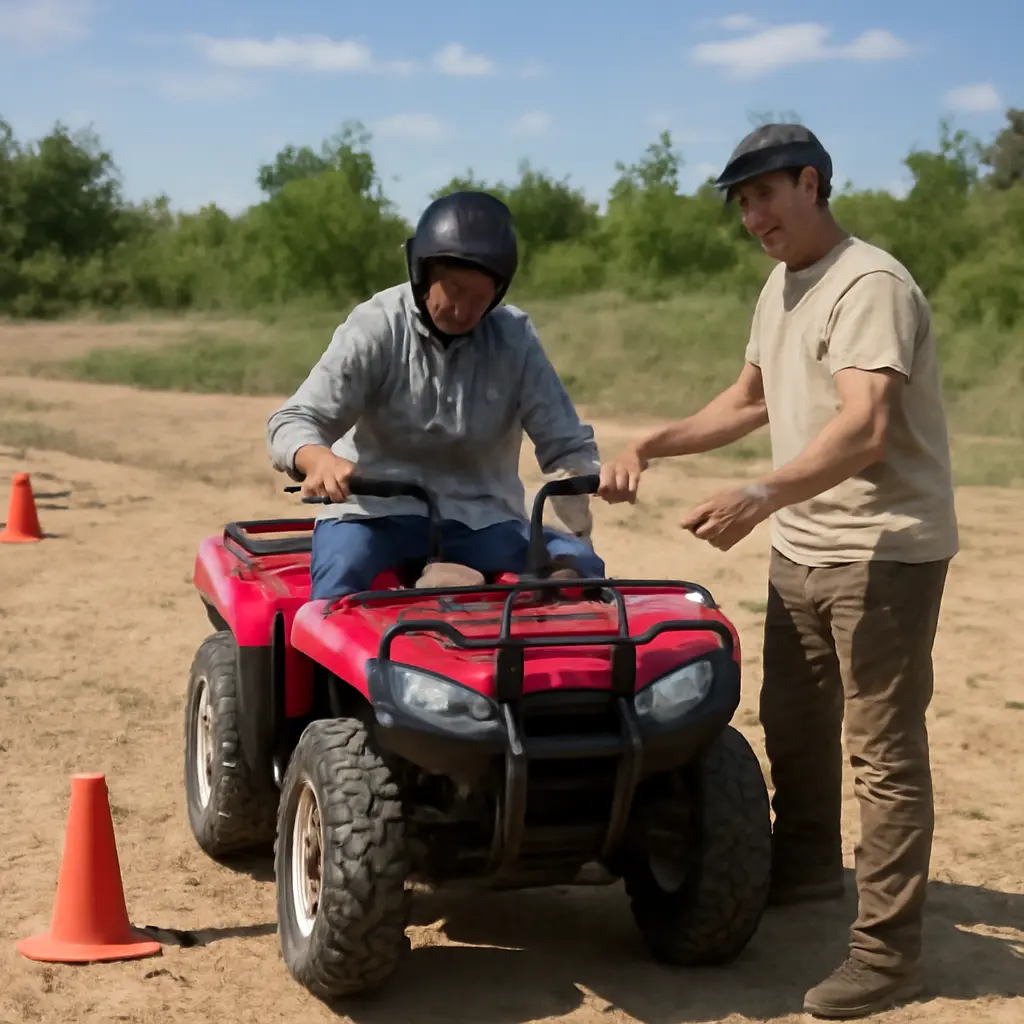
Crash prevention means reducing the likelihood and severity of another incident through protective equipment, training, sober riding, and a well-maintained vehicle. The CPSC recommends wearing a helmet and protective gear, taking a hands-on safety course, and avoiding paved roads unless the ATV is designed and legally permitted for that use. Prevention matters because the agency’s reported fatalities and emergency-treated injuries show that ATV crashes can have serious consequences.
Wear a Properly Fitted Helmet and Protective Gear
Use a properly fitted, helmet-certified helmet, along with eye protection, gloves, long sleeves, long pants, and over-the-ankle boots. The CPSC identifies helmet use as a key safety measure. Replace a helmet after a significant impact, even if damage is not obvious, and follow the manufacturer’s care and replacement guidance.
Ride a Suitable ATV Sober and Within Your Ability
Choose an ATV that is appropriate for the rider’s age, size, and experience, and follow its owner’s manual. Never ride under the influence of alcohol or drugs, and do not carry passengers on a single-rider ATV. Ride at a speed that allows you to respond to terrain, keep tires on the ground, and avoid slopes or obstacles beyond your skill level. Do not ride on paved roads unless the ATV and local rules permit it.
Inspect the Machine and Plan for Emergencies
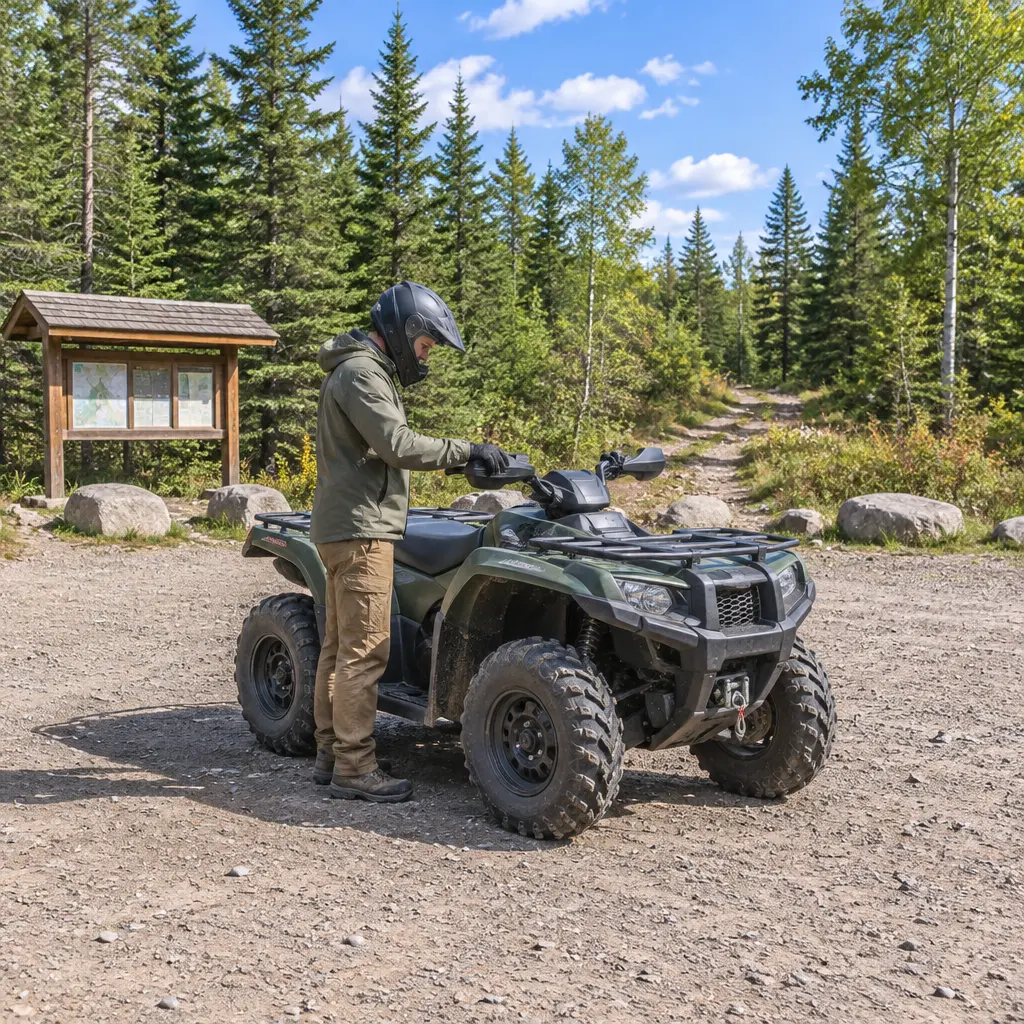
Before each ride, inspect tires, brakes, throttle, steering, lights, and controls, and confirm the machine is in safe operating condition. Tell someone your route and expected return time. Carry a charged phone or other suitable communication device, a first-aid kit, water, and location information; in remote areas, consider a satellite communicator. A safety course can build the skills needed to handle uneven ground and changing conditions.
Conclusion: Respond Quickly, Get Care, and Prevent Another ATV Crash
After an ATV fall or crash, secure the scene, call for help when needed, check breathing and severe bleeding, and avoid moving anyone with a possible head, neck, or back injury unless danger makes it necessary. Get medical advice after a significant impact, do not ride while injured or impaired, and inspect the ATV before it returns to use. CPSC injury and fatality figures are a reminder that these steps are consequential, not merely precautionary. Review first-aid guidance, take an ATV safety course, and plan how to contact help before your next ride.
Sources: U.S. Consumer Product Safety Commission, 2020 Annual Report of ATV-Related Deaths and Injuries, https://www.cpsc.gov/s3fs-public/2020-Annual-Report-of-ATV-Related-Deaths-and-Injuries.pdf; American Red Cross, First Aid Steps, https://www.redcross.org/take-a-class/first-aid/performing-first-aid/first-aid-steps; American College of Surgeons, Stop the Bleed, https://www.stopthebleed.org/; U.S. Centers for Disease Control and Prevention, Signs and Symptoms of Concussion, https://www.cdc.gov/traumatic-brain-injury/signs-symptoms/index.html; U.S. Consumer Product Safety Commission, ATV Safety, https://www.cpsc.gov/Safety-Education/Safety-Education-Centers/ATV-Safety-Information-Center